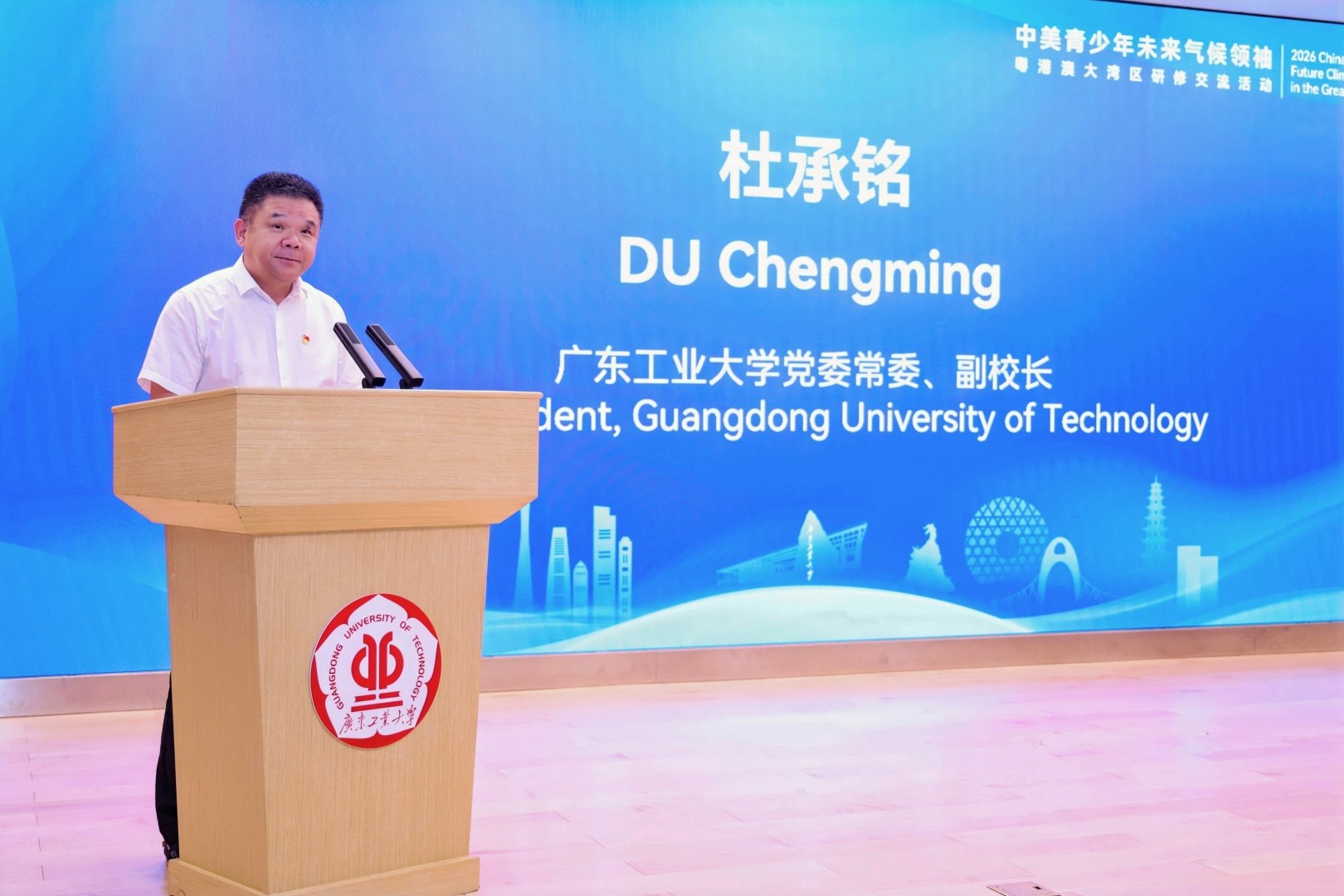
The closing ceremony of the 2026 China-US Youth Future Climate Leaders Greater Bay Area Exchange Program was held at the Youth Lecture Hall of the Cultural Activity Center of GDUT on the morning of June 29. Zhou Guoying, Deputy Director-General of the Department of Ecology and Environment of Guangdong Province; Du Chengming, Vice President of Guangdong University of Technology (GDUT); Wang Jun, Assistant Provost of the University of California, Riverside; and Fang Wuquan, Manager of Environmental Affairs, Strategic Planning & Investment Department of China Southern Airlines Co., Ltd., attended the closing ceremony. This marks the second consecutive year that GDUT has hosted this program in the Greater Bay Area, following its debut in 2025.
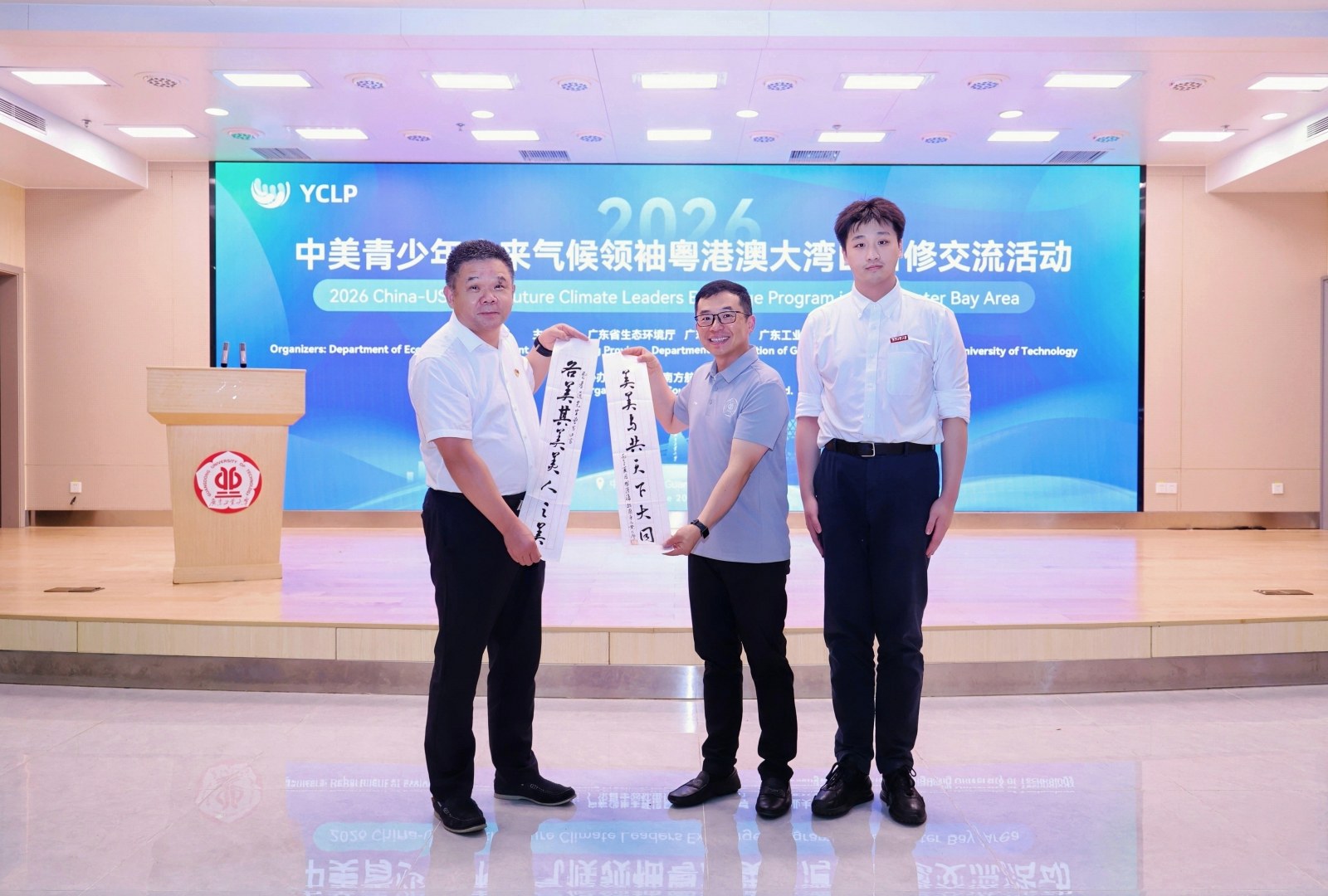
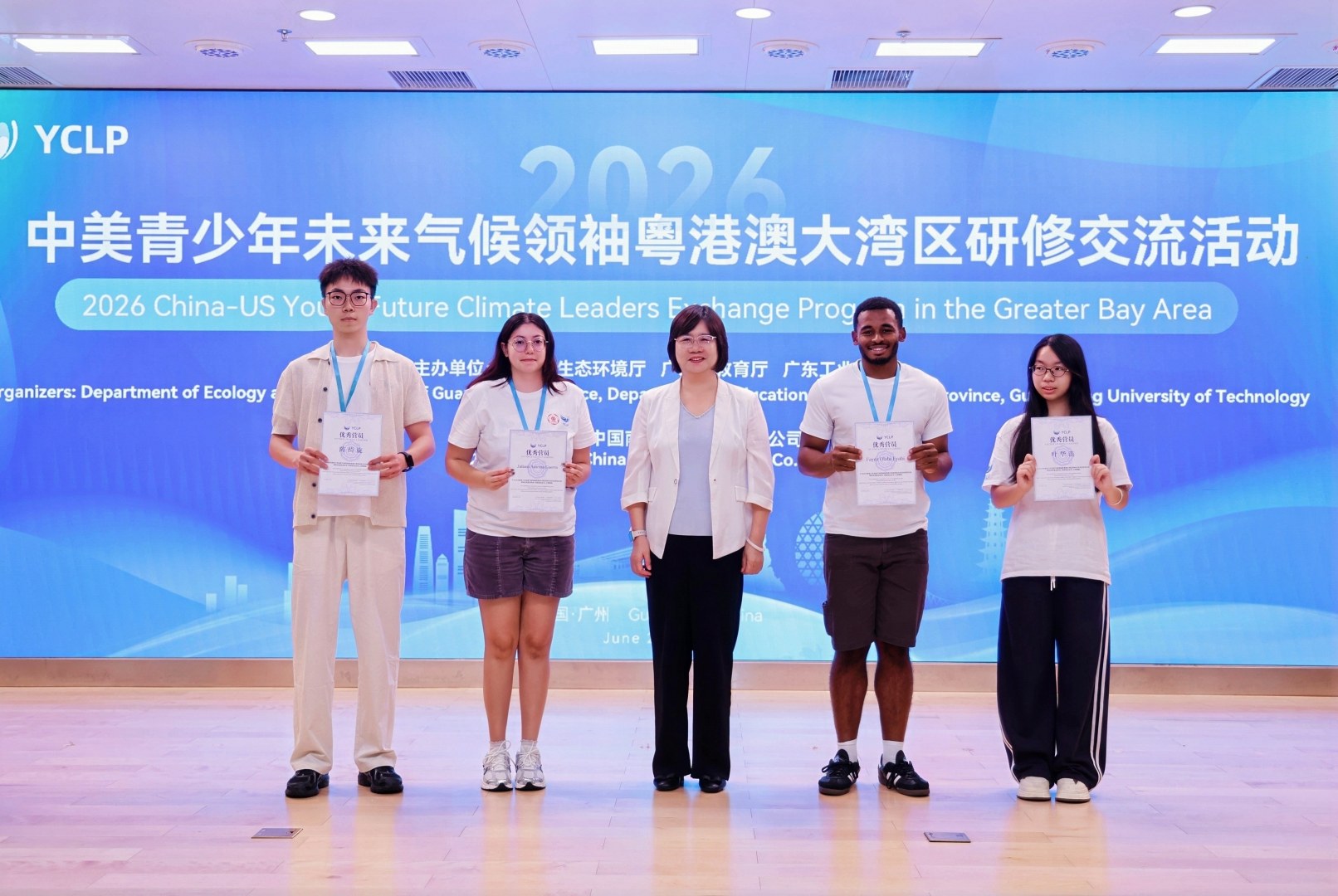
The closing session kicked off with wonderful artistic performances and on-site Chinese calligraphy presented by GDUT students. In his speech, Du Chengming noted that throughout the training program, participants not only acquired professional knowledge and practical skills in climate governance, but also planted seeds of global collaboration for ecological protection and forged sincere cross-border friendships. The vivid picture of green development in the Greater Bay Area will become an exclusive and precious memory of China for every participant. On behalf of GDUT, Du presented a calligraphy artwork to the University of California, Riverside, using traditional Chinese calligraphy as a medium to express sincere aspirations for deeper inter-university cooperation and enhanced China-US friendship. Zhou Guoying awarded completion certificates to all participants.
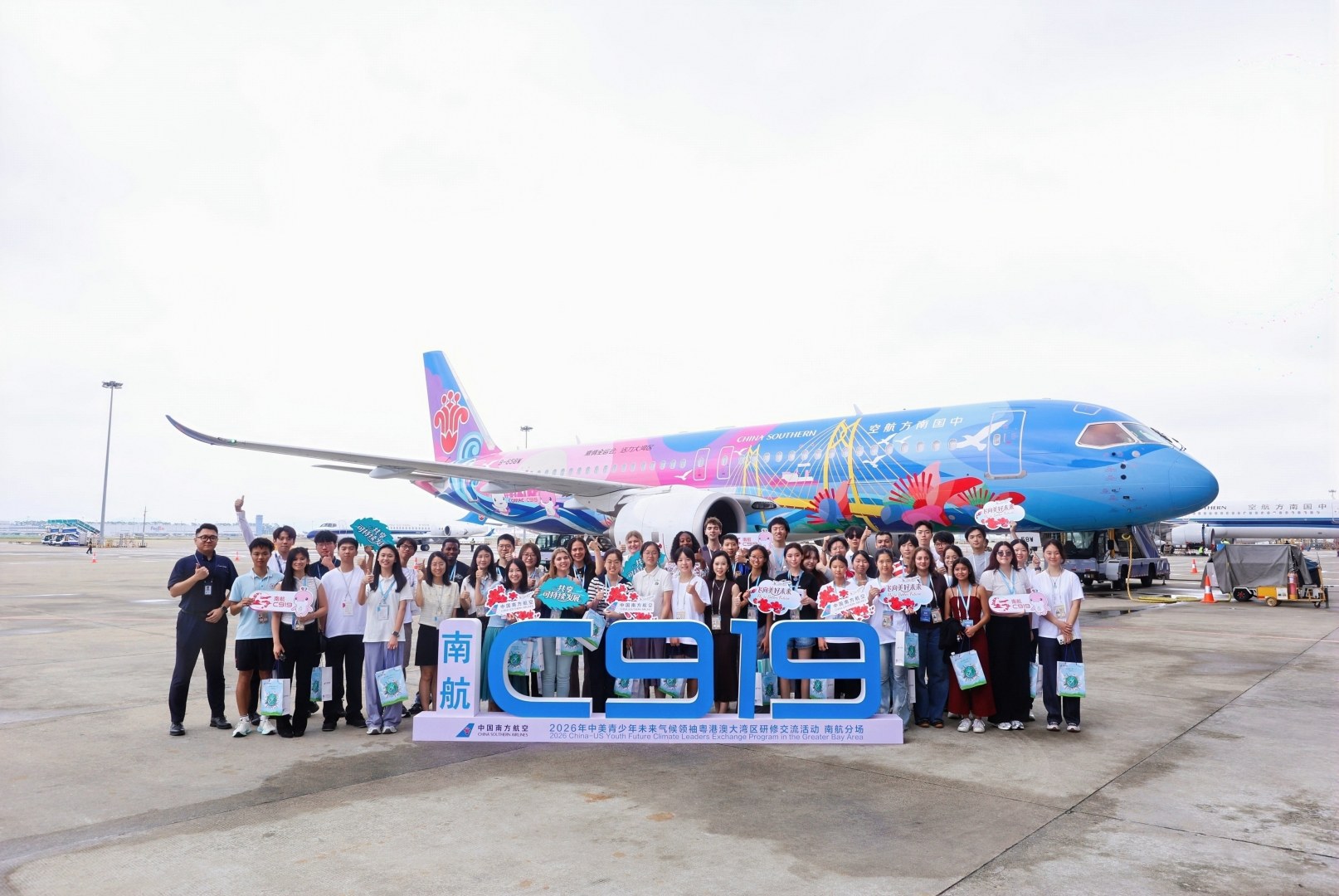
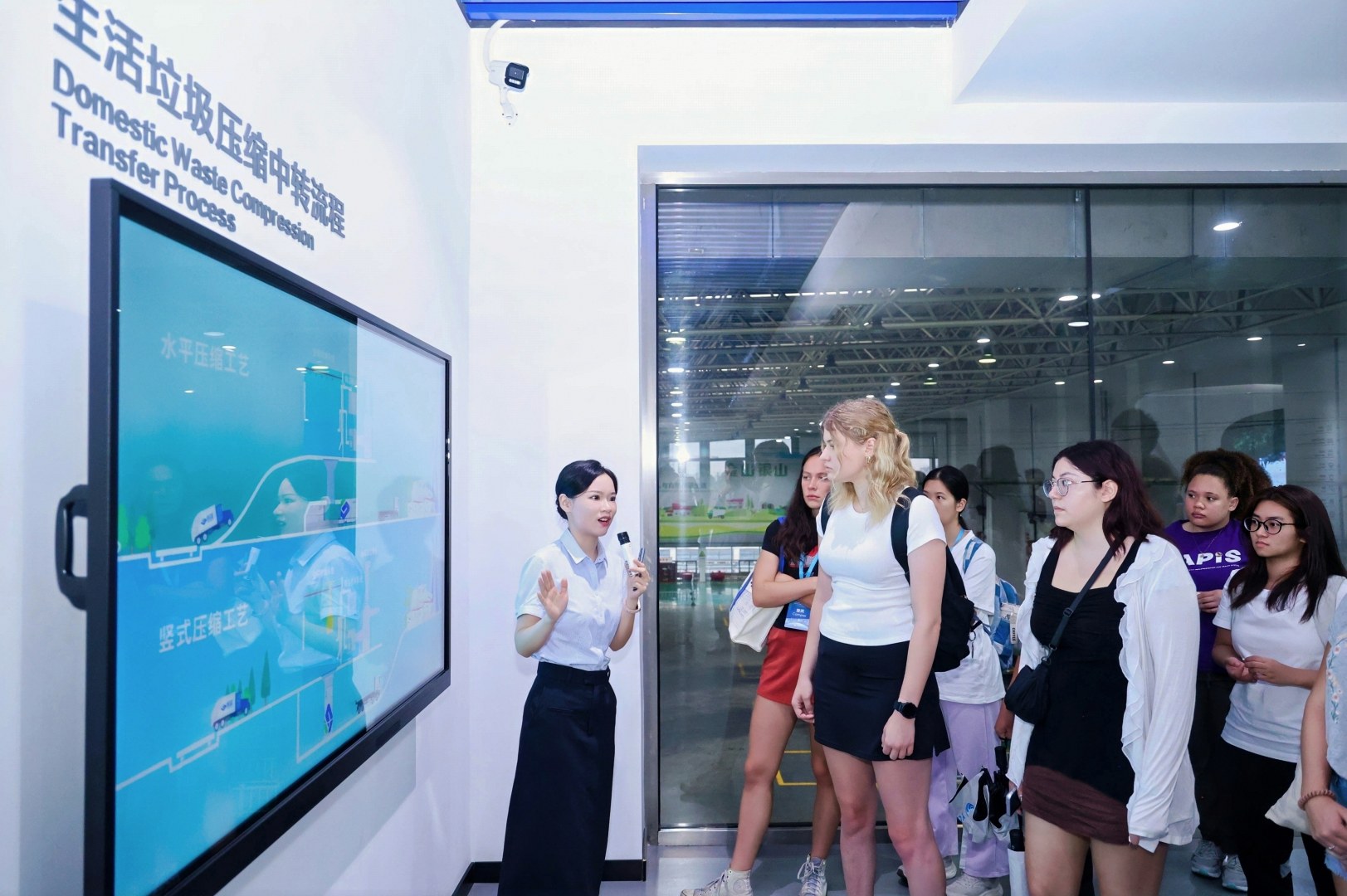
Over the seven-day program, 36 young participants from China and the United States, representing the University of Washington, the University of California, Riverside, Ball State University and Guangdong University of Technology, embarked on field visits to a series of landmark sites: the 110kV Lieqiao Substation, GAC AION, Lijiao Water Plant in Guangzhou, Guangzhou Aircraft Maintenance Engineering Co., Ltd. (GAMECO) under China Southern Airlines, Hanlan Solid Waste Treatment Environmental Industrial Park in Nanhai, Foshan, Hengqin National Wetland Park, the Hong Kong-Zhuhai-Macao Bridge, and the Zhuhai Space Center. At each location, they conducted in-depth research on low-carbon industries and experienced cutting-edge green technologies.
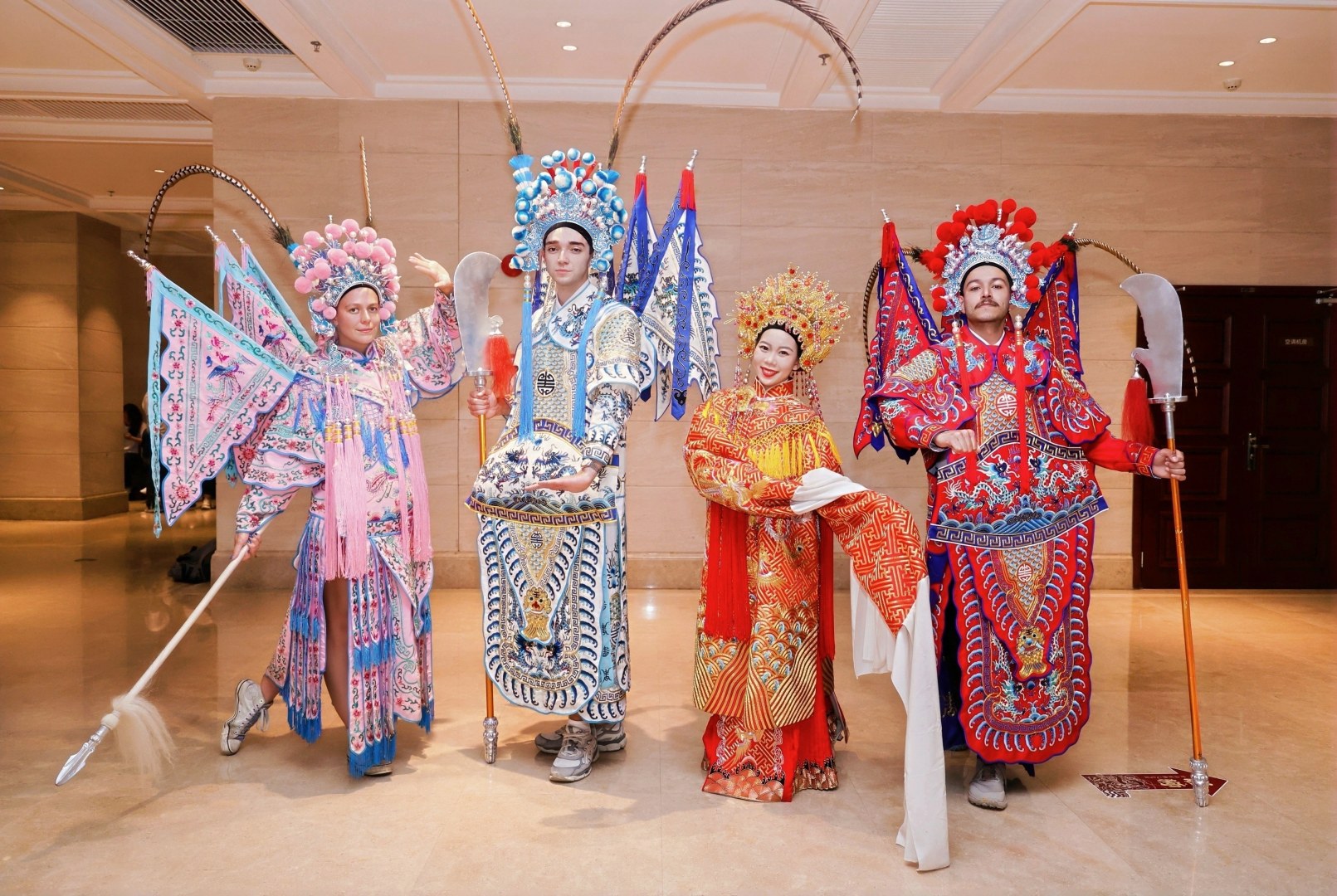
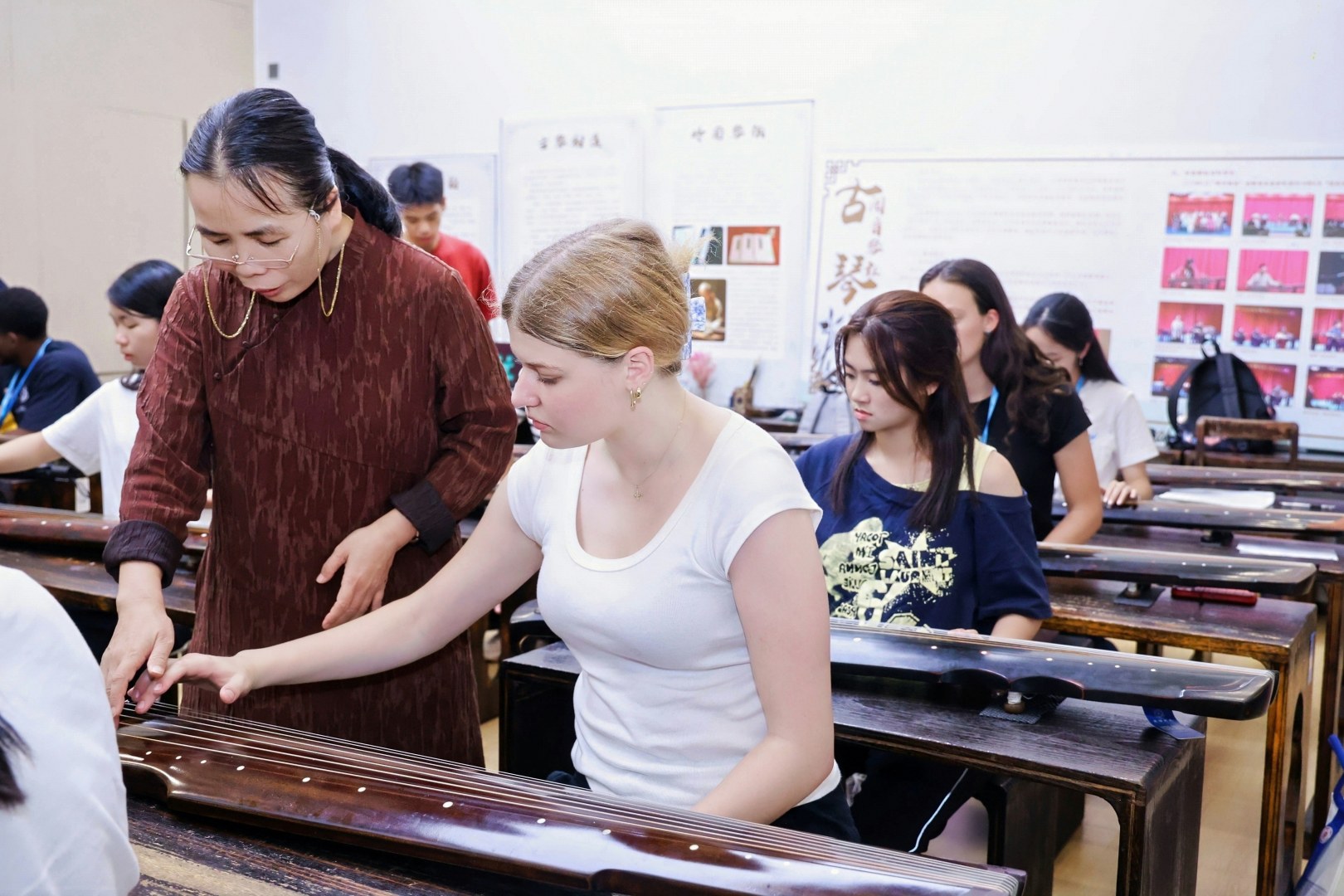
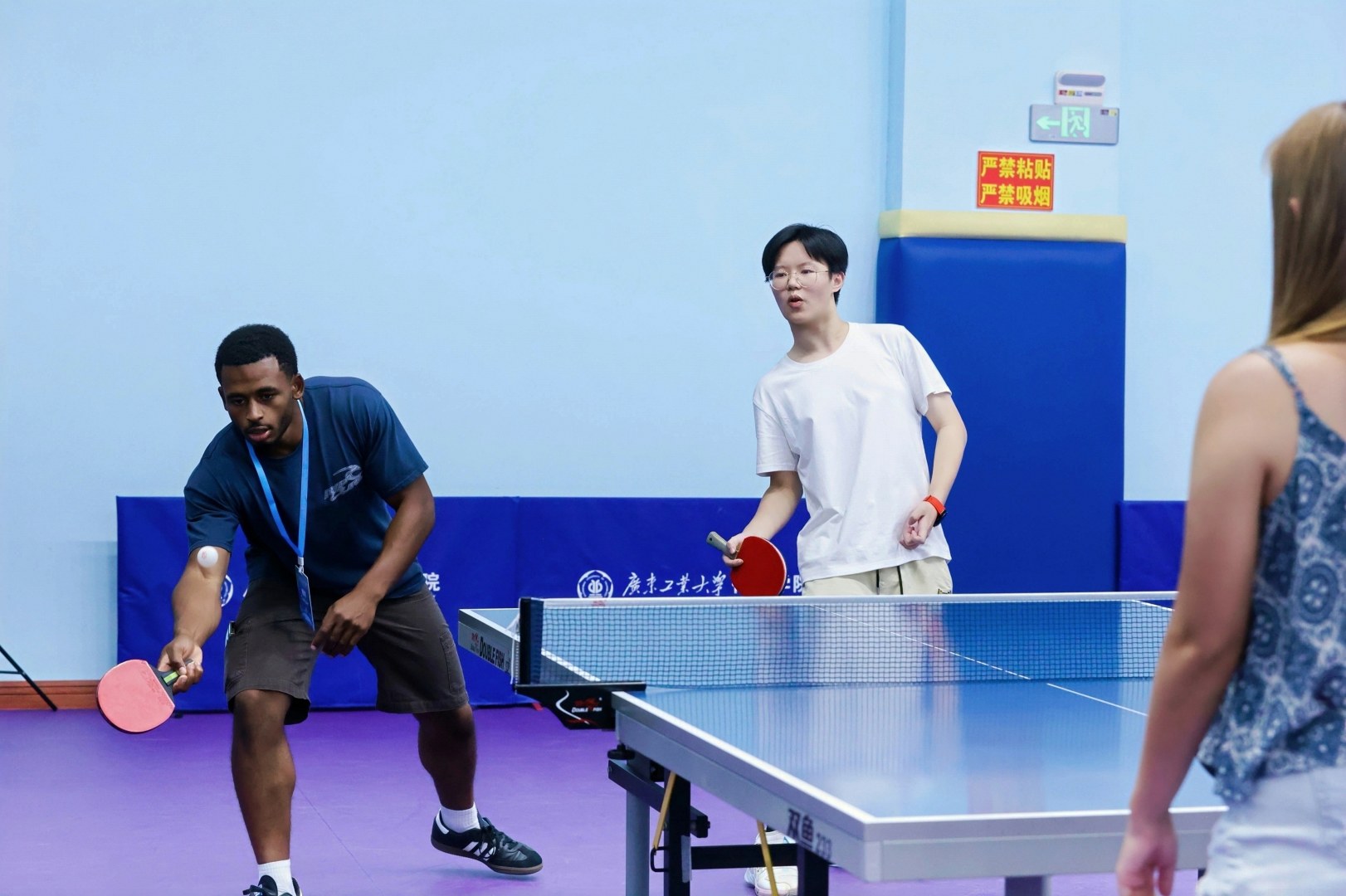
The program also featured a rich array of cultural activities that allowed participants to immerse themselves in authentic Lingnan culture. At the Cantonese Opera Museum, participants donned traditional opera costumes and got a taste of performing Cantonese opera. Guqin and shadow puppetry workshops offered them a chance to appreciate the profound depth of traditional Chinese culture through age-old musical art and vivid shadow play. A tour of Yongqingfang immersed the youth in the vibrant revitalization of traditional Chinese neighborhoods. A friendly table tennis tournament further strengthened team cohesion amid a warm, amicable atmosphere.
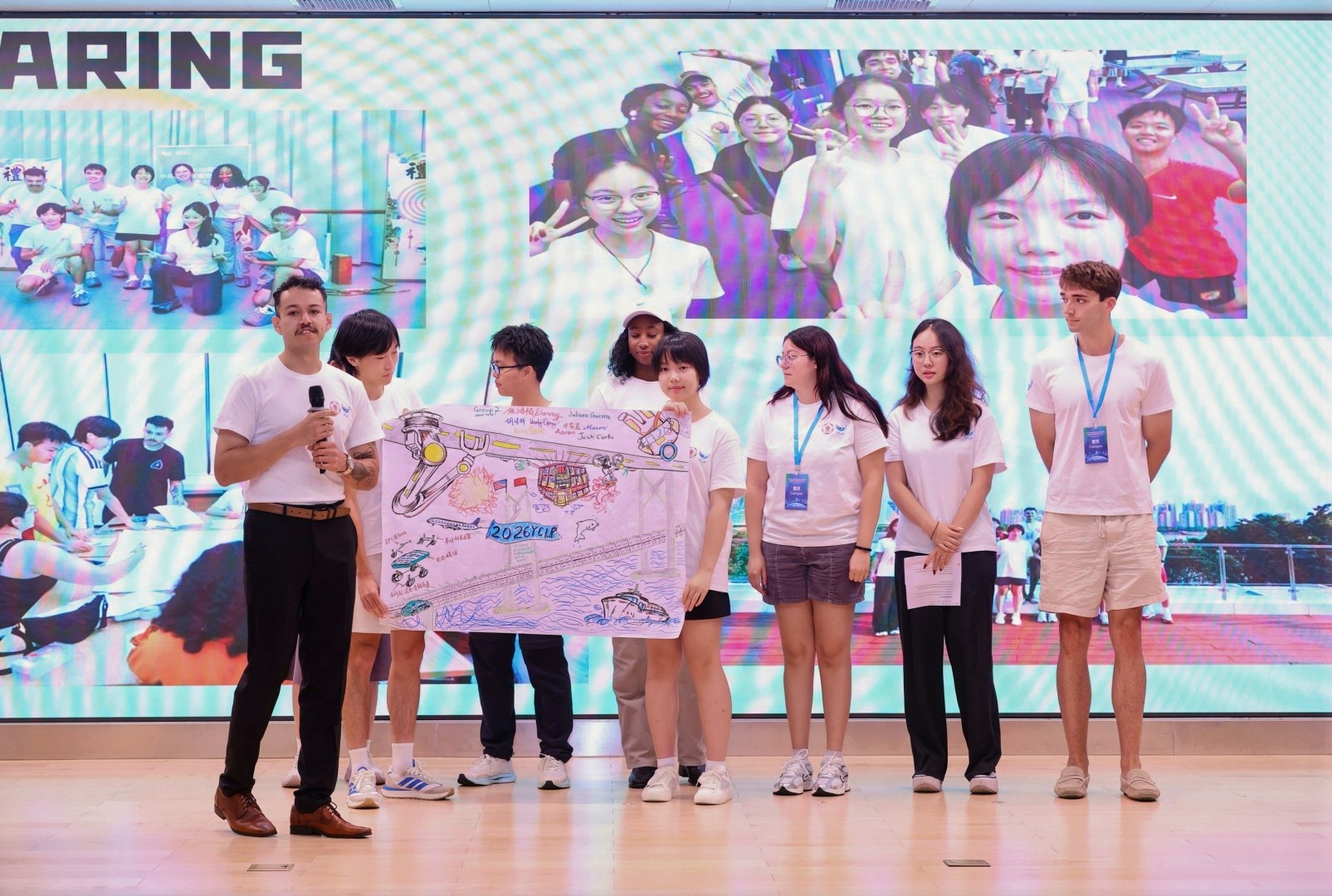
During the project presentation session at the closing ceremony, four groups of youth representatives took the stage one after another. Drawing on their field research findings, they delivered presentations on smart energy, green manufacturing, low-carbon cities and ecological restoration. Integrating ecological governance experience from both China and the United States, the participants put forward innovative, feasible low-carbon solutions illustrated with original hand-drawn posters, fully showcasing young people’s perspectives on addressing climate challenges.
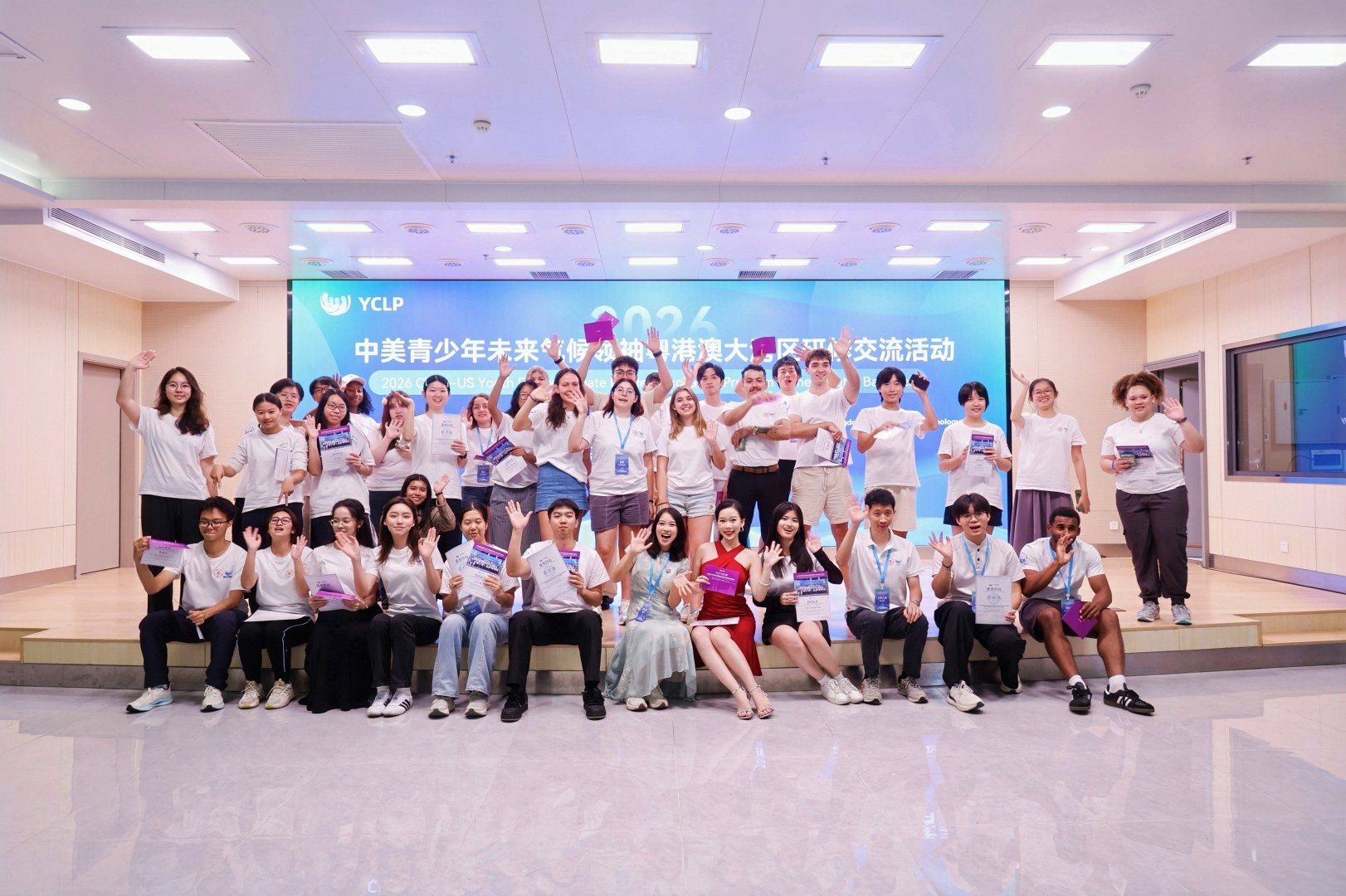
The ceremony drew to a heartfelt close with all participants singing Auld Lang Syne together. Building on the successful inaugural session in 2025, this year’s program upgraded its integrated research model combining on-site practice visits, cultural immersion and collaborative project creation. It has established a comprehensive research framework covering six key dimensions: energy, advanced manufacturing, urban municipal infrastructure, ecological conservation, mega infrastructure projects and Lingnan culture. Serving as a vital platform for implementing General Secretary Xi Jinping’s important initiative of “50,000 exchanges over five years”, the event deepens people-to-people ecological exchanges between China and the United States.
As world-renowned hubs of advanced industries and technological innovation, the Guangdong-Hong Kong-Macao Greater Bay Area and the San Francisco Bay Area share highly aligned strategic positioning and development visions in high-end industrial layout and green transition. Supported by the official institutional platform built under the Memorandum of Understanding between Guangdong Province and California on Deepening Green Development Cooperation, the program has injected robust youth momentum into long-term friendly green collaboration between the two bay areas. Moving forward, all organizers will continue to sustain communication channels for young Chinese and American people, pool youthful strength from across the globe, and contribute youthful wisdom and commitment to achieving the sustainable development goal of harmonious coexistence between humanity and nature.
Student Reflection:
Fayez Olabi Eyabi, University of California, Riverside
I was amazed by China's advanced manufacturing capabilities and green low-carbon technologies I witnessed throughout this program. I encountered kindness and warmth from local Chinese people everywhere I went. I will bring all my observations and insights back to the U.S. to share with others.
Juliana Guerra, University of California, Riverside
I believe both China and the United States are deeply committed to improving global climate conditions, boosting ecological emergency response capacity, and advancing sustainable development.
Kirstin West, University of Washington
My most unforgettable experience was visiting the Space Center and walking inside spacecraft models. Learning to play traditional Chinese musical instruments was also incredibly fun.
Li Kaixin, Guangdong University of Technology
The highlight of my trip was visiting GAMECO. While exploring the aviation engineering technology of China’s domestically developed large passenger aircraft C919, I also learned about the real-world applications of low-carbon and eco-friendly technologies.
Guo Rui, Guangdong University of Technology
We conducted field investigations of low-carbon industries and green infrastructure across the Guangdong-Hong Kong-Macao Greater Bay Area. We witnessed many replicable Chinese solutions that can be shared globally, and gained a clearer understanding of the core logic of green development under Chinese modernization.