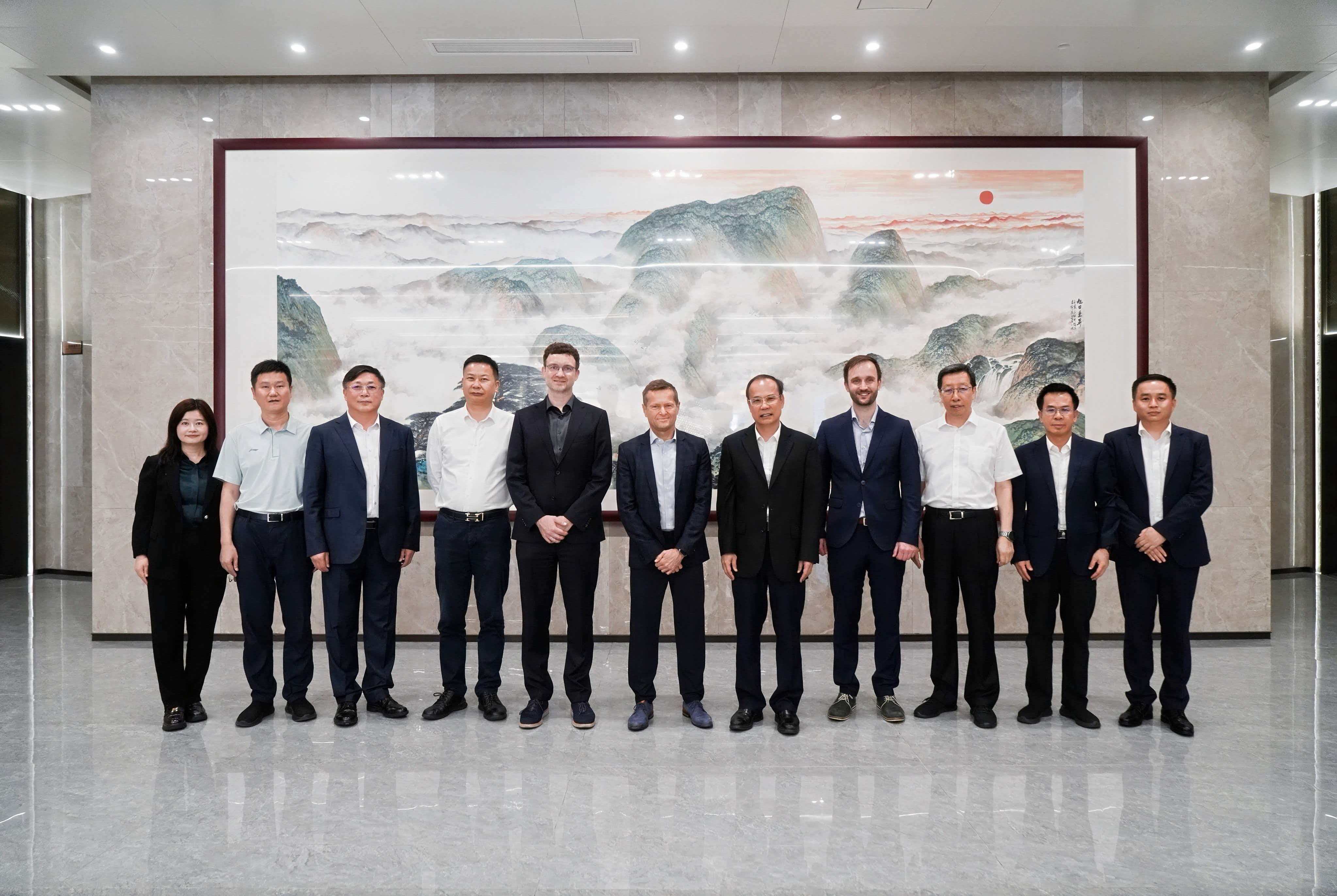
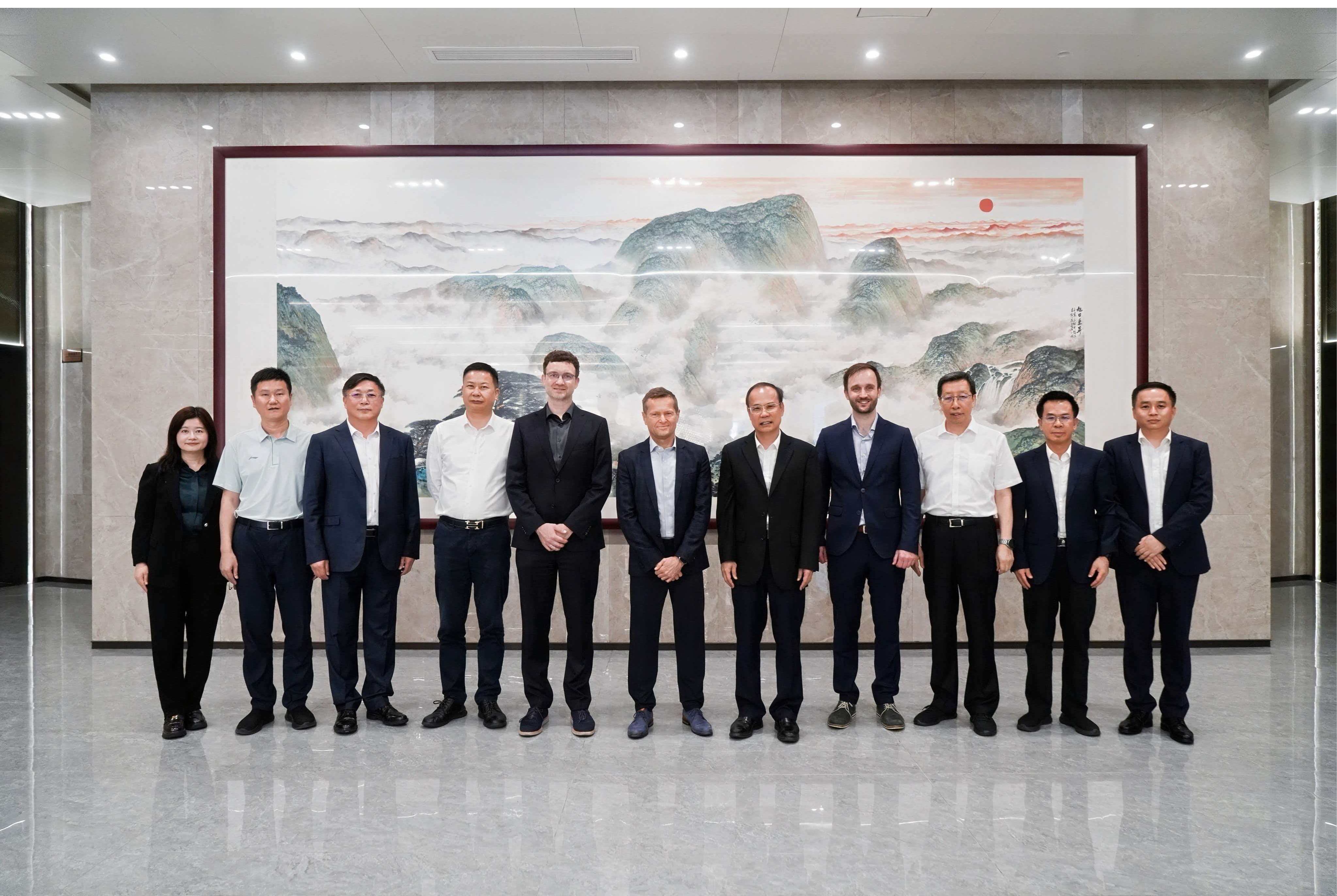
On June 5, Professor Ferenc Krausz, the 2023 Nobel Prize laureate in Physics, Director of the Max Planck Institute of Quantum Optics in Germany, Professor at Ludwig Maximilian University of Munich, and Chair Professor of Laser Physics at the University of Hong Kong, was appointed as Guest Professor at Guangdong University of Technology (GDUT). The appointment ceremony was held at the Lecture Hall of the University Town Campus. Qiu Xueqing, Deputy Secretary of the Party Committee and President of GDUT, together with Du Chengming and Lu Renquan, Members of the Standing Committee of CPC GDUT Committee and Vice Presidents, attended the ceremony. Heads of relevant departments participated in the event.
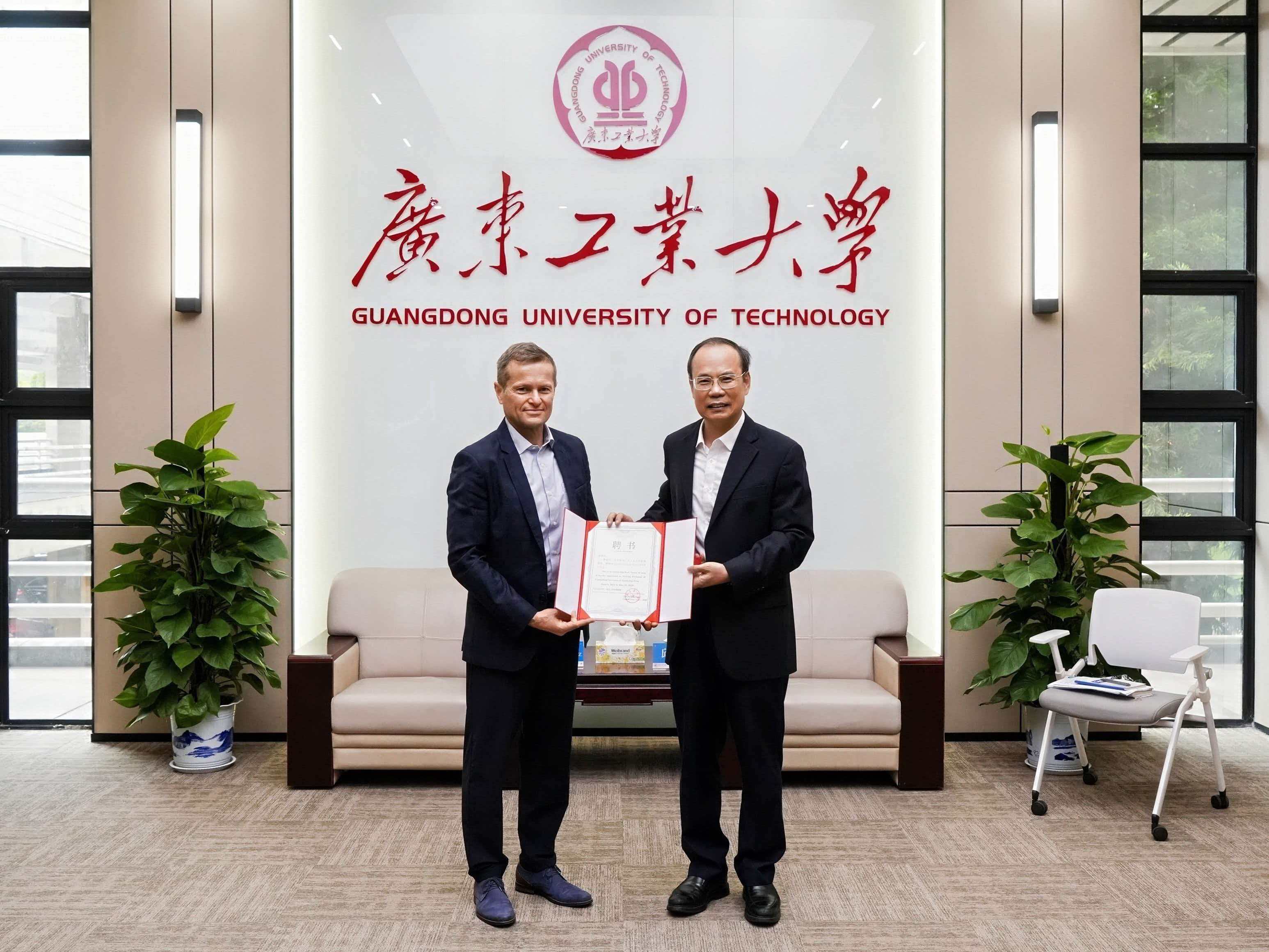
During the meeting, President Qiu Xueqing extended a warm welcome to Professor Krausz and expressed high respect for his pioneering contributions in the field of attosecond science. President Qiu noted that GDUT is committed to building a high-level innovative university and continuously strengthening the aggregation of international academic resources and the layout of cutting-edge research directions. The appointment of Professor Krausz as Guest Professor represents an important practice in advancing international cooperation and enhancing the academic level of disciplines such as optoelectronic technology, ultrafast laser, and medical-engineering integration. The two sides conducted in-depth exchanges on future cooperation and reached multiple consensuses.
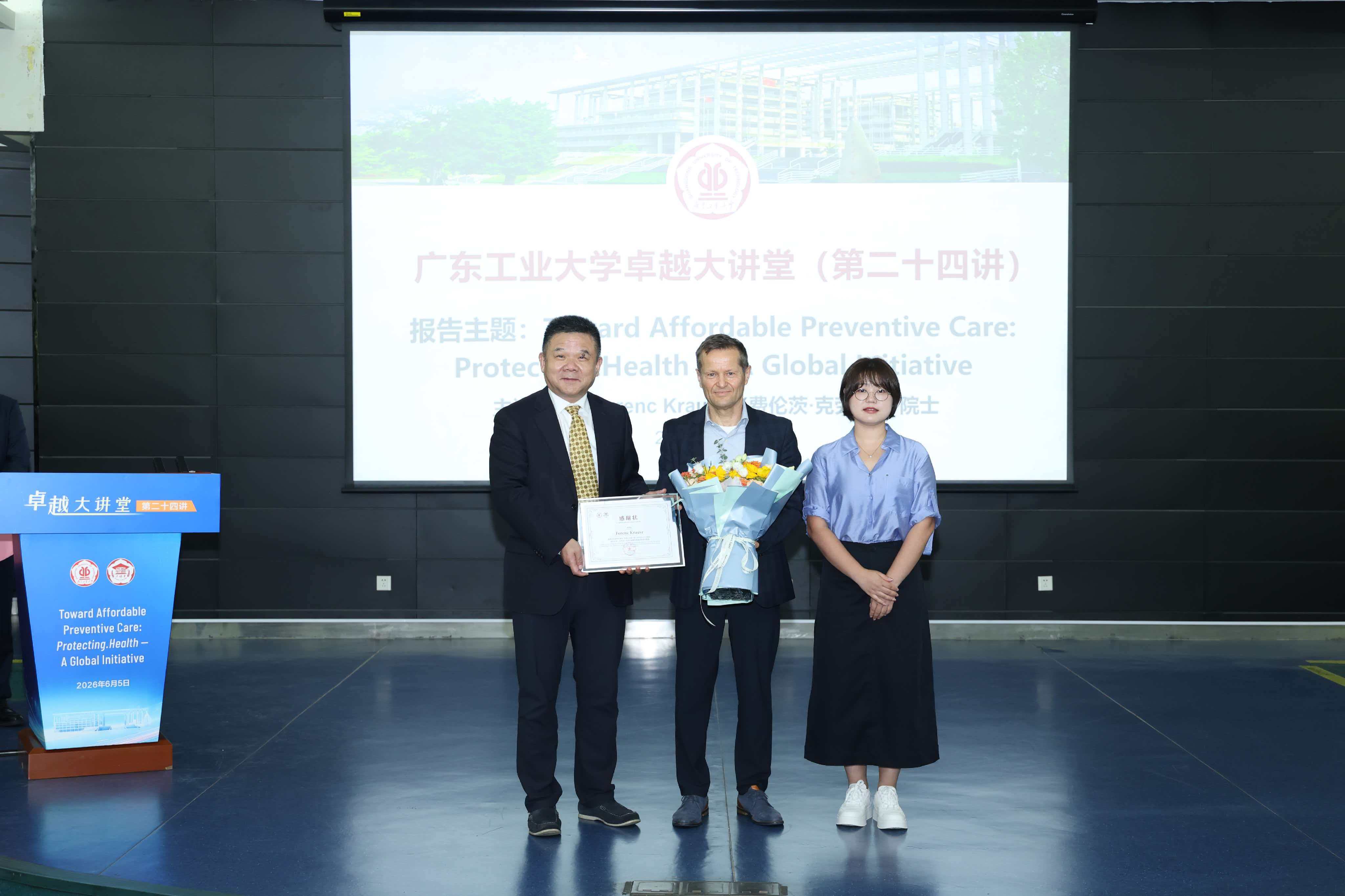
On the same day, Professor Krausz was invited to deliver a special academic report at the "Excellence Lecture Hall". Titled "Towards Affordable Preventive Healthcare: Protecting Health – A Global Initiative", the report systematically introduced the principles and progress of attosecond metrology in capturing molecular-scale "fingerprints", identifying ultra-early signals of chronic diseases, and enabling personalized health management. It elucidated the technological pathway for the transformation from "passive diagnosis and treatment" to "active prevention" and its strategic significance for public health systems. The report was met with enthusiastic audience response, and faculty and students engaged in exchanges with Professor Krausz on cutting-edge mechanisms, application scenarios, and interdisciplinary collaboration.